

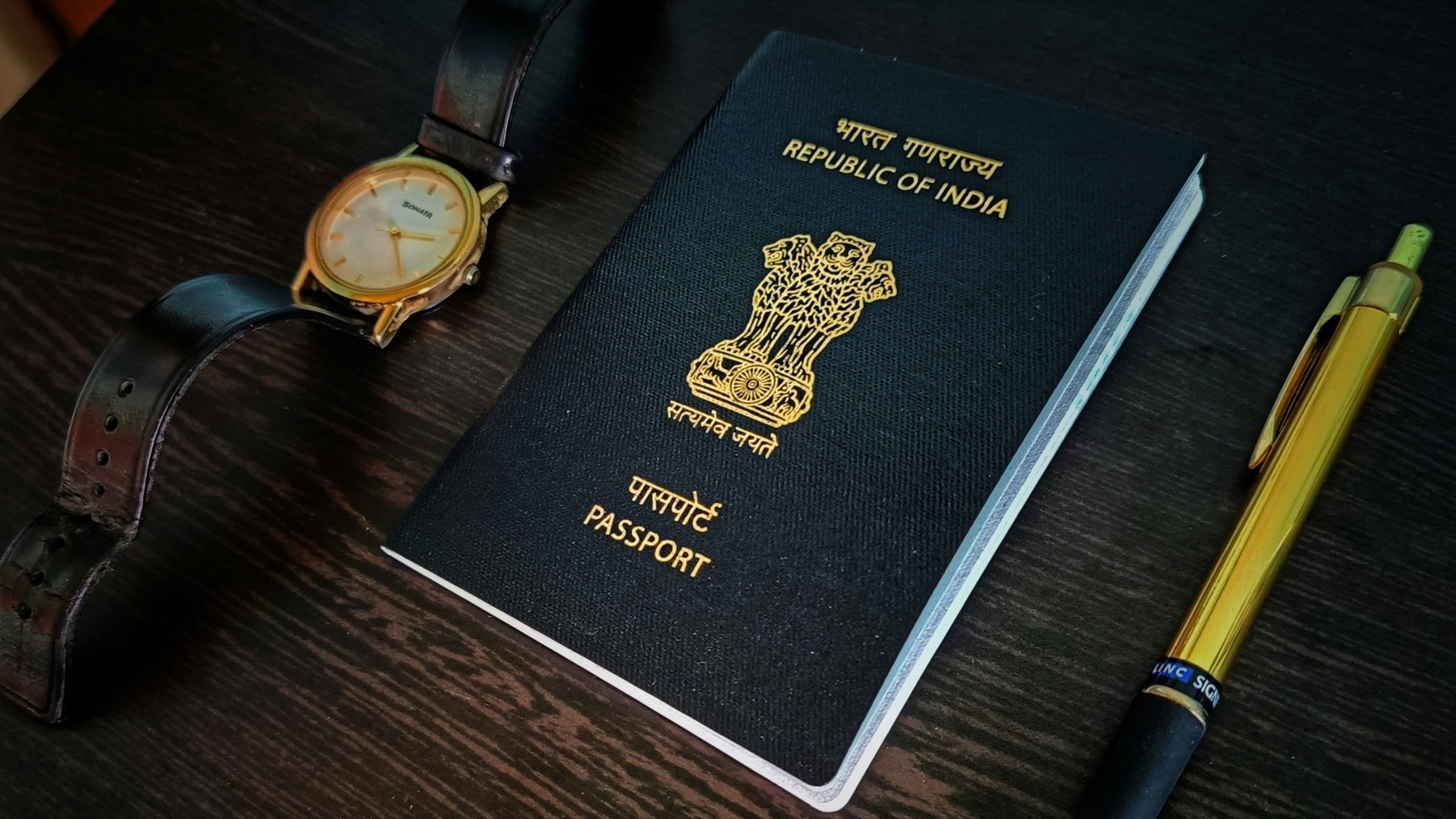
The best first international trip from India is usually a short-haul destination with a nonstop flight of four hours or less, entry paperwork you can finish online before you fly, and a city that is easy to get around in English. For most first-timers that points to Thailand, the UAE, Malaysia, Singapore, Sri Lanka, or Nepal. Which one fits you depends on your budget, who you are traveling with, and how much paperwork you are comfortable handling.
Below: where to go first, then what happens between booking and landing, from passport and visa checks to forex and airport immigration.
What makes a country good for a first international trip?
A first trip abroad has more unknowns than any later one: immigration, cash, and how strict the destination is about documents. A good first destination keeps those unknowns small. Look for:
- A short nonstop flight. Under four or five hours means no connection to miss and no long transit to handle on your own.
- Entry paperwork you can confirm before you fly. A visa, e-visa, or electronic travel authorization approved before departure is easier than relying on rules at the arrival counter.
- Easy movement on arrival. Airport rail, metered or app-booked taxis, and signs in English make the first hour much less stressful.
- Familiar food when you want it. Indian and vegetarian food is easy to find in all the destinations below, which matters more than people expect on a first trip.
- A forgiving budget. Lower daily costs make small mistakes cheaper.
Which country is best for a first international trip from India?
There is no single winner. The table compares the most practical first-trip options by the factors above. Flight times are approximate scheduled nonstop durations from the closest major Indian gateway and vary by airline and season.
| Destination | Example nonstop route | Why it works for a first trip | What to watch |
|---|---|---|---|
| Thailand (Bangkok, Phuket) | Kolkata to Bangkok, about 2.5 hours (about 4 hours from Delhi) | Huge choice of flights from India, good value, easy food, a tourist trail that is simple to follow | Thailand announced changes to its visa exemption for Indian passport holders in 2026; check the embassy page and complete the digital arrival card before landing |
| UAE (Dubai, Abu Dhabi) | Mumbai to Dubai, about 3 hours | Very frequent flights from many Indian cities, polished airports, English widely used, big Indian community | Higher daily costs; a visit visa usually has to be arranged before travel |
| Malaysia (Kuala Lumpur) | Chennai to Kuala Lumpur, about 4 hours | Good value, multicultural food, airport rail into the city, Indian community in Brickfields | Check whether visa-free entry still applies for your dates; digital arrival card required |
| Singapore | Chennai to Singapore, about 4 hours | The easiest city to navigate in the region, very safe, excellent public transport | Visa needed in advance; the most expensive option for hotels |
| Sri Lanka (Colombo) | Chennai to Colombo, about 1.5 hours | Shortest flight on the list, familiar food, beaches and hill country close together | Electronic travel authorization must be approved before boarding |
| Nepal (Kathmandu) | Delhi to Kathmandu, about 1.5 to 2 hours | Lightest paperwork for Indian citizens, familiar food and culture, mountain scenery | Feels less “foreign” than the others; mountain flights and roads can be disrupted by weather |
If you only want the shortest possible flight, Sri Lanka and Nepal win. If you want a first trip that feels clearly international while staying simple, Thailand and the UAE are the most common choices for good reason. For a wider list of short routes, see international trips from India under 5 hours.
Which first trip suits your type of traveler?
| You are traveling as | Strongest first choice | Why |
|---|---|---|
| Family with parents or young children | Dubai or Singapore | Clean, predictable logistics, short airport transfers, attractions built for families |
| Couple | Thailand or Sri Lanka | City and beach in one trip, good value for hotels and food |
| Friends group on a budget | Thailand or Malaysia | Lower daily costs, nightlife and food markets, many budget-airline options |
| Solo traveler, first time alone | Singapore or Kuala Lumpur | Easy public transport, English signage, straightforward airport-to-city rail |
| Minimum paperwork above all | Nepal | Indian citizens have long been able to visit without a visa; confirm accepted ID documents before flying |
Still split between two cities? Our Singapore or Bangkok comparison walks through weather, cost, and trip style side by side.
What documents do you need before booking?
Sort documents before you pay for non-refundable flights and hotels, in this order.
- Passport. Apply or renew through the official Passport Seva portal. Many countries expect your passport to be valid for at least six months beyond your arrival date, and airlines can refuse boarding if it is not, so renew early if it is close to expiry. Check that the name on your ticket matches the passport exactly.
- Visa or travel authorization. Use only the destination’s official government source, because visa rules for Indian passport holders change often. Do not rely on a blog post (including this one) for the current status.
- Return ticket and hotel booking. Immigration officers and airlines may ask for proof that you will leave. Keep copies offline and printed.
- Travel insurance. Not every destination requires it, but a single hospital visit abroad can cost far more than the policy. Read what the policy covers before you buy.
- Arrival cards. Several destinations now use online arrival cards that you complete in the days before landing.
Where to check entry rules for each destination
| Destination | Official source to check | Arrival form to know about |
|---|---|---|
| Thailand | Royal Thai Embassy, New Delhi | Thailand Digital Arrival Card (TDAC) |
| UAE | UAE government portal: visas | Check with your airline |
| Malaysia | Immigration Department of Malaysia | Malaysia Digital Arrival Card (MDAC) |
| Singapore | ICA visa requirements | SG Arrival Card |
| Sri Lanka | Sri Lanka ETA (official) | ETA approval is checked before boarding |
| Nepal | Embassy of India, Kathmandu and Nepal Department of Immigration | Check accepted ID documents for Indian citizens |
Singapore’s immigration authority lists India among the countries whose citizens need a visa before arrival, applied for through authorised visa agents or a Singapore mission. Thailand announced changes to its visa exemption for Indian tourists during 2026, which is a good example of why you should check the official page close to your travel date rather than trusting older advice.
One India-specific point: if your passport carries an “Emigration Check Required” (ECR) status, the emigration clearance process applies mainly to people traveling to certain countries for work. If you are traveling as a tourist with an ECR passport, carry your return ticket and hotel booking, and check the government’s eMigrate portal if you are unsure.
How much money should you carry, and in what form?
Use a mix: a small amount of local currency in cash for the first day, plus a forex card or an international debit or credit card for the rest.
- Cash limits apply. The Reserve Bank of India limits how much Indian rupee cash you can take out of and bring back into India, and also caps how much foreign currency you can carry as notes. Ask your bank or authorised money changer for the current limits when you buy forex.
- Forex card vs. regular card. A prepaid forex card locks in an exchange rate when you load it. A regular card is convenient but may add a foreign transaction markup. Ask your bank what it charges before you go.
- Switch on international use for your cards in your banking app before you fly.
What happens at an Indian airport on your first international flight?
The process is longer than a domestic flight but follows a fixed order. Airlines commonly advise arriving about three hours before an international departure; check your airline’s own guidance.
| Step | What happens | First-timer tip |
|---|---|---|
| 1. Terminal entry | Security staff check your passport and ticket at the door | Keep both in hand, not packed in a bag |
| 2. Check-in and bag drop | The airline checks your passport, visa or authorization, and bag weight | This is where missing documents are caught; carry printouts |
| 3. Customs (if needed) | Declare high-value items you are taking out, if required | Most tourists walk straight past this |
| 4. Emigration (immigration) | An officer checks your passport and boarding pass and stamps or records your exit | Indian citizens no longer fill a paper departure card at international airports; answer questions about your trip simply |
| 5. Security screening | Hand baggage and body screening | Liquids, power banks, and electronics rules apply; keep them easy to reach |
| 6. Gate and boarding | Duty-free shops, then boarding by group | International gates can be a long walk; watch the boarding time, not the departure time |
If you expect to travel abroad often, look at the Ministry of Home Affairs’ Fast Track Immigration – Trusted Traveller Programme (FTI-TTP), which lets pre-verified Indian citizens use automated immigration gates at participating airports.
What happens when you land?
On arrival you follow signs to immigration, show your passport, visa or authorization, and sometimes your return ticket and hotel booking. Then you collect checked bags and pass through customs. The most common first-timer slowdowns are a missing arrival card, no hotel address, and a phone with no data. Before you leave, complete the arrival card, save the hotel address offline, and arrange international roaming or a travel SIM or eSIM.
For the trip back, Indian customs gives each traveler a duty-free allowance on goods bought abroad. Check the current allowance on the website of the Central Board of Indirect Taxes and Customs (CBIC) before you shop, and use the red channel if you are over it.
Which booking mistakes should first-timers avoid?
- Booking separate tickets to save money. If one flight is late, the next airline has no obligation to wait. On a first trip, stick to nonstop flights or a single ticket; our guide to self-transfer flights explains the risk.
- Ignoring the arrival time. A cheap flight that lands at 2 a.m. means a late-night taxi and an extra hotel night. On a short trip, a daytime arrival is usually worth paying a little more for.
- Missing baggage rules. Low-cost international fares often include cabin baggage only. Compare the price after adding a checked bag.
- Booking hotels and flights before the visa is approved. Where the visa is not automatic, choose refundable options until it is.
Our list of flight booking mistakes covers more of these, and how to find cheap international flights from India shows how to compare fares without falling into them.
Where to start comparing flights
Once you have a shortlist, compare routes from your nearest airport and one alternative city. Useful starting points: flights from India to Bangkok, flights from India to Dubai, flights from India to Kuala Lumpur, flights from India to Singapore, and flights from India to Colombo. If you only have a long weekend, our weekend international trips from India guide helps you pick a route that leaves enough time on the ground.
Compare first-trip routes on Farelyt
Search two or three of your shortlisted destinations for the same dates. Compare nonstop options, arrival times, and the fare after checked baggage, then pick the route that makes your first day abroad the easiest.
Final takeaway
Pick a first international destination that keeps the unknowns small: a short nonstop flight, entry paperwork you can confirm online before you fly, and a city that is easy to move around. For most travelers from India that means Thailand, the UAE, Malaysia, Singapore, Sri Lanka, or Nepal, matched to your budget and travel group. Sort your passport and visa first, check every entry rule on the official government page, carry a sensible mix of cash and card, and arrive at the airport early. Once you have done it once, every trip after is easier.