

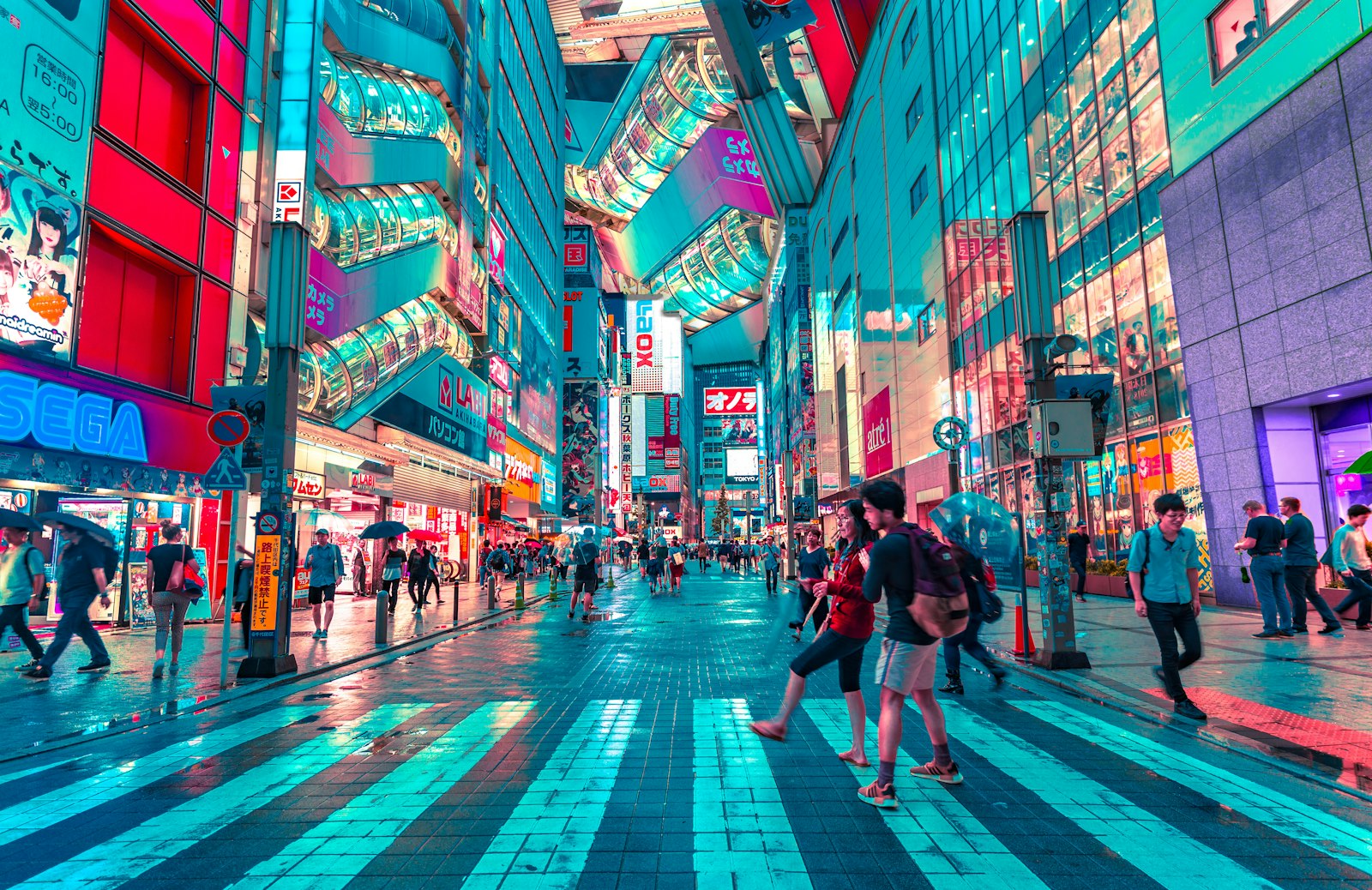
Where you stay in Tokyo has a bigger effect on the trip than many travelers expect. The city is large, train movement is central to daily planning, and the right district can make Tokyo feel smooth and fascinating instead of overwhelming. For global travelers, the best Tokyo base depends on whether the trip is built around nightlife, first-time sightseeing, food neighborhoods, luxury comfort, or calmer traditional surroundings.
This guide helps you choose the right Tokyo area before you lock the hotel and the flight together.
1. Shinjuku for first-time range and transit power
Shinjuku is one of the strongest all-around choices for travelers who want easy train access, food variety, nightlife, shopping, and a classic Tokyo energy. It works especially well for first-time visitors because it gives you strong movement across the city while still feeling like a destination in its own right. The trade-off is intensity. Shinjuku can feel busy at nearly every hour.
2. Shibuya for energy, style, and younger city rhythm
Shibuya is best for travelers who want a fast-moving, visual, nightlife-friendly Tokyo stay with easier access to trend-led neighborhoods and late evenings. It is a good fit for couples, friend groups, and travelers who care about the city’s modern cultural side more than quiet recovery time.
3. Ginza for polish and easier luxury comfort
Ginza works well for travelers who want a cleaner, more premium Tokyo experience with easier hotel comfort and a calmer urban rhythm. It is especially practical for business-style trips, mature travelers, and anyone who values hotel quality and polished surroundings over nightlife density.
4. Asakusa for traditional atmosphere
If the trip is built around temples, slower neighborhood walking, and a more traditional-feeling Tokyo base, Asakusa is a strong choice. It gives you a different mood from the glass-and-neon districts and works particularly well for travelers who want the cultural side of Tokyo to feel more visible from the moment they leave the hotel.
5. Ueno for practical value and museum access
Ueno is often a smart compromise between value, transport convenience, and everyday city usefulness. It works well for travelers who want easier museum access, good rail logic, and a less intense hotel base than Shinjuku or Shibuya. It is not the flashiest choice, but it can be one of the most practical.
Start your Tokyo search
Compare flights first, then choose the Tokyo district that fits your pace, budget, and trip style.
When airport-area hotels make sense
Airport hotels near Haneda or Narita are usually only worth it for a very late arrival, early departure, or one-night layover. For most Tokyo trips, the city itself gives much better value because the train network lets you use the stay more efficiently once you are based in the right district.
How to choose quickly
- Choose Shinjuku if you want the strongest first-time all-rounder.
- Choose Shibuya if the trip is more about city energy and nightlife.
- Choose Ginza if you want a more polished and premium stay.
- Choose Asakusa if traditional atmosphere matters most.
- Choose Ueno if practical value and easier movement matter more than trendiness.
Final takeaway
The best Tokyo hotel area is the one that supports your daily movement and the mood of the trip. Decide whether you care most about transit power, nightlife, traditional atmosphere, or hotel comfort, then build the route and the stay together instead of separately.
Use Farelyt’s Top 5 Unique Activities for Travelers in Tokyo, Southeast Asia flight planning guide, and global route hub before you book.
If evening movement matters to the trip, pair this with Tokyo at Night so your hotel base supports the city after dark.